Are you drinking more than before?

Drinkers with functional tolerance will show few obvious signs of intoxication despite high blood alcohol levels. Reducing alcohol tolerance in a safe and effective manner requires a well-thought-out approach. It often involves a gradual reduction in alcohol intake, coupled with support from healthcare professionals or support groups. This journey not only contributes to lowering tolerance levels but also promotes a healthier lifestyle and well-being. People who regularly drink any amount of alcohol can become tolerant to these impairments and show few signs of intoxication – even when there are large amounts of alcohol in their bloodstream.
Will my alcohol tolerance return to baseline after resetting?
This is because your brain and body have adapted to the presence of alcohol and have compensated in several ways to function well when intoxicated. When you abruptly stop drinking, these compensations result in alcohol withdrawal symptoms, which range from uncomfortable to potentially life-threatening. Rapid cross-tolerance between alcohol and other drugs has also been observed using the tilt-plane test. This method involves gradually inclining a slightly textured plane until the animal is unable to maintain stability and slides from its starting position. The angle at which the animal begins to slide is used as a measure of motor impairment.

The Connection Between Mental Health and Addiction
- Lowering alcohol tolerance can lead to quicker intoxication with smaller amounts of alcohol.
- The amount of time it takes to lower alcohol tolerance depends on several different factors, including frequency of consumption and body weight.
- The cannabinoid CB1 receptor inverse agonist rimonabant had no effect on alcohol and Δ9-tetrahydrocannabinol cross-tolerance (da Silva et al., 2001).
- Higher tolerance in some individuals may foster higher levels of drinking, which can have negative health effects.
- Call our helpline at AddictionResource.net today if you or your loved one is struggling with drug use.
- It’s possible to develop a tolerance to it, which can contribute to developing an addiction.
There is no definitive answer to this, as people respond differently to alcohol. However, some people may find specific types of alcohol easier to handle than others. For https://ecosoberhouse.com/ instance, it may be easier to tolerate beer than hard liquor due to its lower alcohol content. Wine may also be easier for most people than hard liquor due to antioxidants and polyphenols protecting the liver. Alcohol tolerance can increase the rate at which the liver eliminates drugs, making them less effective. It can also interfere with the effectiveness of medications like antibiotics, antidepressants, and anxiolytics.

Can a decrease in alcohol tolerance lead to alcohol poisoning?
AT may not show signs of physical intoxication, but its development typically paves the way for serious health issues. An alternate but key theoretical framework for investigating tolerance that is relevant to intoxication and addiction can be found in opponent-process theory (Solomon and Corbit, 1974). The initial use of a drug triggers a primary affective process (a positive hedonic process), termed the a-process, which has a short time constant.

Chronic Tolerance to Alcohol
- While regular exercise has numerous benefits for overall health, there is no direct evidence suggesting that exercise alone can reduce alcohol tolerance.
- Alcohol tolerance is the body’s ability to adapt to frequent and consistent alcohol use.
- As regular alcohol consumption occurs, the body adapts and develops a higher tolerance level.
- People can develop acute tolerance to alcohol’s effects on motor control but not its effects on inhibitions.
- As a disclaimer, some methods may require help from a healthcare professional.
- Mental health can influence alcohol tolerance, as stress, anxiety, and depression may lead to increased alcohol consumption and higher tolerance levels.
- It is crucial to consult with a healthcare professional before making any significant changes to alcohol consumption patterns.
Have you ever wondered why some people can drink endless amounts of alcohol without feeling inebriated while others get tipsy before they finish their first glass? People who can “hold their liquor” have a high alcohol tolerance, while those who become intoxicated by relatively small quantities have low alcohol tolerance. Repeated alcohol use causes the liver to become more “efficient” at eliminating alcohol from the body.
Can you regain your original tolerance after a break from alcohol?

It’s always wise heroin addiction to check with your doctor — she should be able to help you decide whether it is best for you to cut back or to abstain. People who are dependent on alcohol, or have other medical or mental health problems, should stop drinking completely. Many other factors, such as drinking habits, can influence functional tolerance.
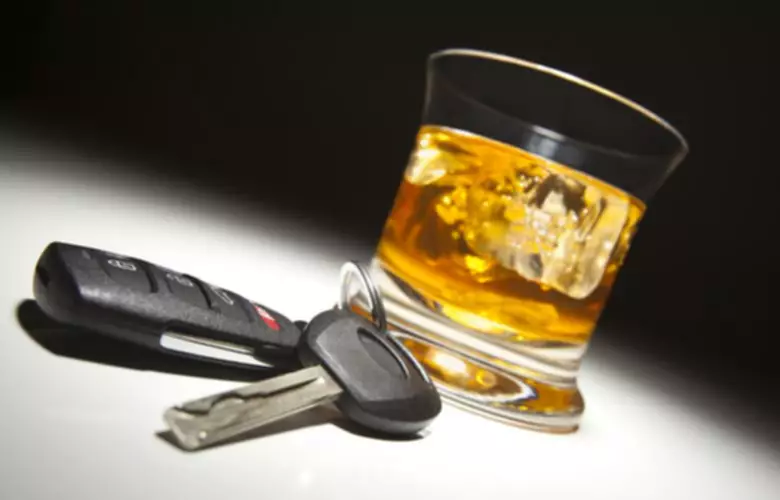
Is it safe to abruptly stop alcohol consumption to reduce tolerance?
- The effects of drinking on the brain may alter the functions of neurotransmitters.
- This may start to counteract the effects of alcohol, leading to diminishing effects over time.
- While alcohol tolerance itself does not directly cause alcoholism, it can be an indication of a problematic relationship with alcohol.
This blog discusses what alcohol tolerance is, its causes, and how to reduce your tolerance level. By understanding these considerations, you can help ensure that your relationship with alcohol remains healthy. With a team of experienced professionals and evidence-based approaches, they how to lower alcohol tolerance can provide personalized care to help you overcome alcohol addiction and regain control of your life. Individuals with high tolerances may underestimate their level of intoxication due to their ability to consume larger quantities without feeling as drunk as others might. This can lead to risky behaviors such as driving under the influence or engaging in unsafe sexual practices.
Recent Comments