How Embedded SIMs Transform International Trips
The Travel Hack That Ends Roaming Fees Forever
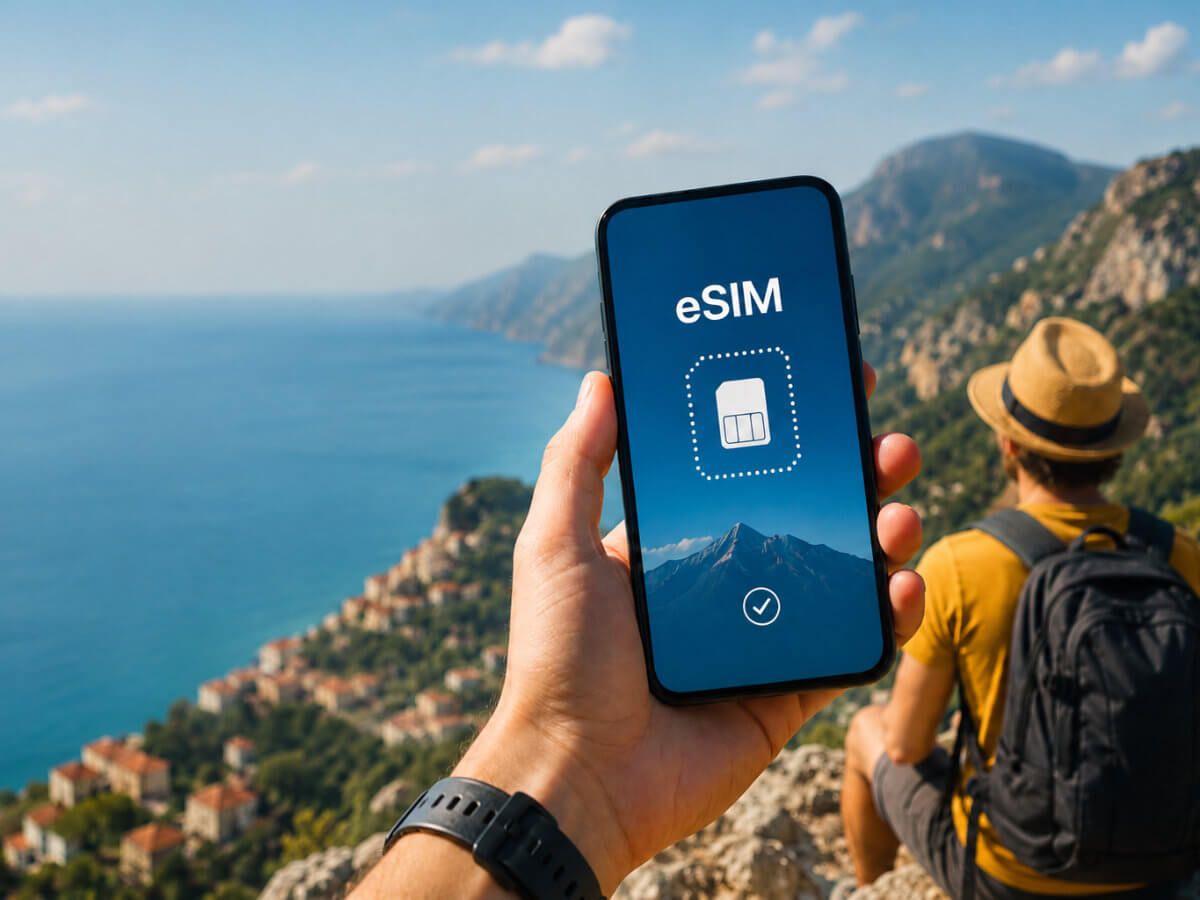
An eSIM for travel is a digital SIM that lets you instantly connect to local networks without needing a physical card. You simply scan a QR code or download an app before your trip, then activate your data plan the moment you arrive. No more hunting for local SIM shops or overpaying for roaming—just seamless, affordable internet access in over 190 countries.
How Embedded SIMs Transform International Trips

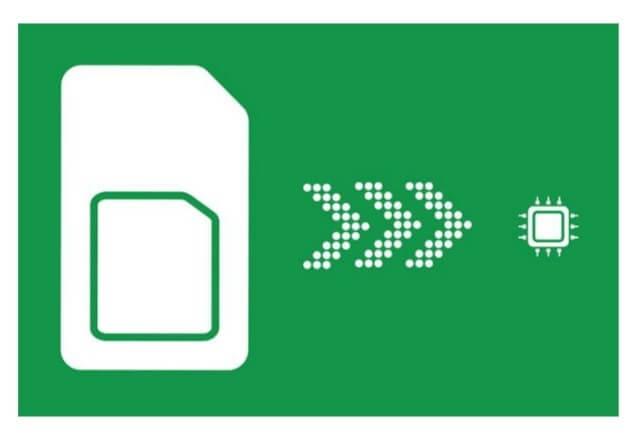
For international trips, an embedded SIM (eSIM) transforms connectivity by removing the need to physically swap SIM cards at each border. Before departure, you install a data plan from a local or global provider directly onto your phone, meaning you land connected. This eliminates hunting for local SIM kiosks or risking lost physical cards. You can also keep your home number active for two-factor authentication while using a separate eSIM for data.
The most practical shift is the ability to switch carriers mid-trip without visiting a store, giving you the flexibility to hunt for better rates on local data packages as you move between countries.
For frequent travelers, this reduces setup time from minutes to seconds and keeps your device’s physical slot free for a regional SIM as a backup.
Why Physical Plastic SIMs Are Fading for Jet-Setters
For jet-setters, physical plastic SIMs are fading due to their inherent fragility and inconvenience. The constant swapping of tiny cards risks losing them, especially during rushed layovers or in poor lighting. A broken or ejected SIM can cut connectivity entirely, leaving travelers stranded without a map or essential booking. This fragility makes them unreliable for the frequent traveler who values seamless transitions between countries. Additionally, carrying multiple physical SIMs for different destinations adds clutter. The shift away from plastic is driven by the simple need for a more durable and hassle-free solution.
Why physical SIMs fail frequent travelers often comes down to these practical wear-and-tear issues.
Q: Why are physical plastic SIMs fading for jet-setters?
A: Their physical nature makes them prone to loss, damage during airport scrambles, and simple misplacement, creating unnecessary connectivity risks that embedded SIMs eliminate.
The Core Benefit Over Roaming Charges
The biggest win with an eSIM is ditching those brutal roaming fees entirely. Instead of paying your home carrier a daily premium for data, you buy a local or regional plan at local prices. This eliminates surprise bills because you see the total cost upfront—no more landing to a text about a $100 charge for checking maps. You’re also in control, swapping to a cheaper plan instantly if you run out, rather than being locked into a roaming contract that charges per megabyte. It’s simply paying for the data you actually use, not a blanket mark-up.
Key Advantages of Going Digital Abroad
The moment I landed in Tokyo, my phone pinged with my itinerary, maps, and a welcome message from my eSIM—no fumbling for a local SIM card or hunting airport Wi-Fi. That instant connectivity is the core advantage: you activate a digital plan before you leave, so you’re online the second you arrive. You keep your home number for WhatsApp and bank alerts, while juggling a local data bucket for Google Maps and Uber. No swapping plastic, no losing your primary SIM. How does an eSIM save time on arrival? By buying and installing it from your sofa, airport chaos with vending machines or kiosk queues vanishes—you just toggle on “data roaming” and go.
Instant Activation Without Airport Kiosk Queues
The biggest headache of landing abroad—wasting vacation time in a SIM kiosk queue—disappears with an eSIM. You activate the moment your plane touches down, often before the seatbelt sign is off. No hunting for a store, no fumbling with a paperclip to swap trays, and no language barriers with a tired cashier. Instead, you skip the airport kiosk queue completely by scanning a QR code or tapping a link in your home Wi-Fi or hotel lobby. Just:
- Install the eSIM profile before you fly.
- Land and switch that eSIM line on in your settings.
- Your data connects immediately, no chat or counter needed.
Switching Networks While Crossing Borders
Switching networks while crossing borders with an eSIM eliminates manual SIM swaps. As you move between countries, the eSIM automatically scans and selects available local carriers, often within minutes. This prevents the dropped connections typical of physical SIMs, which require downtime to replace and reactivate. The handover process leverages multiple profiles stored on a single chip, allowing seamless transitions without toggling airplane mode or restarting the device. Connection continuity depends on your eSIM provider’s roaming agreements, meaning the switch may prioritize signal strength over speed, but it consistently avoids the void between borders.
Switching networks while crossing borders via eSIM ensures continuous connectivity by automating carrier selection, removing manual interventions and minimizing gaps in service.
Keeping Your Primary Number Active
Keeping your primary number active while traveling is a seamless advantage of using an eSIM. You can leave your physical SIM in place to receive essential SMS, such as banking codes or two-factor authentication requests, without incurring roaming fees. This allows you to forward calls from your primary number to your eSIM data line, ensuring no one misses you. It eliminates the need for swapping cards or informing contacts of a temporary number.
- Receive vital SMS for app logins and bank verification while abroad.
- Forward calls from your primary number directly to your eSIM connection.
- Avoid the hassle of physically removing your home SIM card.
- Maintain full access to apps linked to your primary number activation without service interruptions.
Choosing the Right Global Data Solution
Choosing the right global data solution for travel hinges on assessing your specific itinerary and data needs. First, verify network coverage; a single-region plan suffices for one country, but a global eSIM is better for multi-destination trips. Prioritize plans offering high-speed data caps over unlimited throttled options for reliable navigation and streaming. Check device compatibility by ensuring your smartphone is unlocked and supports eSIM profiles. While convenience matters, a slightly cheaper plan with poor local carrier partnerships can mean frustratingly slow speeds abroad. For frequent travelers, a flexible top-up model often outperforms a fixed data package.
Regional vs. Worldwide Plan Options
When selecting an eSIM for travel, the core decision is balancing coverage with cost efficiency through regional versus worldwide plans. A regional plan covers a specific continent (e.g., Europe) and offers lower rates if your trip stays within that zone. For multi-country itineraries spanning Asia and America, a worldwide plan prevents multiple local purchases and coverage gaps. To decide effectively, follow this sequence:
- Identify your exact country list for the trip.
- Compare the regional plan’s price for that continent against a worldwide plan’s flat fee.
- Choose regional if it saves money and covers all stops; choose worldwide for seamless global roaming.
Data-Only Packages Versus Voice and SMS Bundles
When choosing an eSIM for travel, the core distinction is between data-only packages and full voice-and-SMS bundles. Data-only plans suit users who rely on apps like WhatsApp, Skype, or FaceTime for calls and texts, as these bypass traditional cellular services. Conversely, voice bundles are essential for contacting local businesses, banks, or emergency services that lack VoIP support. SMS bundles matter only for two-factor authentication codes or confirmation alerts, which data-only eSIMs cannot receive directly.
- Data-only packages offer lower costs and simpler setup, but cannot receive voice calls or SMS from non-VoIP numbers.
- Voice-and-SMS bundles include a local number, enabling direct calls and text verification codes, but often cost more and require more configuration.
- Data-only eSIMs work best for pure internet needs; voice/SMS bundles are necessary for activities requiring a traditional phone line.
Top Providers for Flexible Connectivity
For travelers prioritizing flexible connectivity in eSIM for travel, providers like Airalo, Holafly, and Ubigi offer distinct advantages. Airalo provides granular, country-specific data packs with no daily throttling, ideal for short, focused trips. Holafly excels with unlimited data plans, removing price anxiety for heavy users. Ubigi stands out for its multi-country regional pass, allowing seamless mobility across bordering nations without rebooking. A practical comparison emerges when weighing cost against usage patterns: Airalo suits budget-conscious, lighter users; Holafly dominates for streaming travelers; Ubigi bridges gaps for multi-stop itineraries. Each provider enables instant, app-based activation, ensuring connectivity upon landing without physical SIM swaps.
| Provider | Core Strength | Best For |
|---|---|---|
| Airalo | Pay-per-GB country packs | Short, data-light trips |
| Holafly | Unlimited data plans | Heavy streaming users |
| Ubigi | Regional multi-country passes | Cross-border travel |
Setting Up Your Virtual SIM Before Departure
To ensure seamless connectivity, setting up your virtual SIM before departure is a critical step in using an eSIM for travel. Purchase and install your eSIM profile at least 24 hours before your flight, using a stable Wi-Fi connection to avoid activation errors. This pre-trip setup lets you confirm the profile is active and properly configured for your destination’s local networks. Activating abroad can fail due to poor signal or roaming restrictions, leaving you without data upon arrival. By handling this in advance, you eliminate stressful troubleshooting at customs and guarantee instant service as soon as you land, making your travel smooth and worry-free.
Checking Device Compatibility with eSIM Profiles
Before buying a travel eSIM, you must check your phone’s compatibility. Most newer models, like the iPhone XS or later and Google Pixel 3 or later, support eSIMs, but not all devices do. Use your phone’s IMEI number in a provider’s compatibility checker to be sure. Some carriers also lock phones to their own network, blocking external eSIM profiles. Always confirm your device is unlocked before departure.
Q: Can I use an eSIM on any unlocked phone? A: No—your phone must also support eSIM hardware, so always run a compatibility test first.
Scanning a QR Code to Install Your Plan
Scanning a QR code is the quickest method to install your eSIM plan before travel. After purchasing, your provider sends a unique QR code via email or their app. Navigate to your device’s mobile network settings, select “Add eSIM,” and scan the code with your camera. The eSIM QR code activation instantly downloads the profile, which remains dormant until you reach your destination. Ensure you have a stable Wi-Fi connection during download, as the process takes under two minutes.
Q: Can I scan the QR code after I have already left for my trip?
A: Technically yes, but it is risky. Without reliable airport or hotel Wi-Fi, a failed download could leave you without service. Always install and save the eSIM profile before departure.
Managing Multiple Profiles for Different Destinations
Before departure, load multiple eSIM profiles—one per destination—into your device’s settings. Label each profile clearly (e.g., “Japan Data” or “Spain Voice”) to avoid confusion when switching. Managing multiple profiles for different destinations means you can toggle between active plans without swapping physical SIMs, preserving your home number for calls while using local data. Ensure your handset supports at least two eSIMs simultaneously; otherwise, you must deactivate one profile to activate another. Always test connection stability for each profile before flying.
Managing multiple profiles allows seamless, pre-loaded connectivity across countries with simple toggling, eliminating physical SIM swaps.
Hidden Pitfalls to Avoid When Roaming Paperless
When roaming paperless with an eSIM for travel, a major hidden pitfall is assuming your primary phone number still works for SMS-based two-factor authentication. You lose access to your physical SIM’s services once you disable it to use the eSIM, which can lock you out of banking or email apps. Another trap is buying a data-only eSIM without checking for voice capabilities, leaving you unable to make emergency calls or confirm local bookings.
Always keep a backup of essential codes—like your Google Authenticator app or printed recovery keys—before leaving your home network.
Finally, overlooking eSIM installation instructions until you’re in a no-WiFi zone can strand you without connectivity at the airport.
Data Caps That Vanish After High-Speed Allowance
A common trap with travel eSIMs is the unexpected throttling after high-speed allowance. Once you deplete your advertised data, many plans do not cut off the connection; instead, they impose severely reduced speeds that make basic functions like loading maps or messaging nearly impossible. To avoid losing access entirely, follow this sequence: first, check the plan’s “fair usage” policy to see if a speed cap exists after the limit. Second, monitor your data usage in the eSIM app daily. Third, have a top-up eSIM ready to install manually before you exceed the allowance. This ensures you are never left with a nominally active but functionally useless connection.
Incompatibility with Older Smartphone Models
Many travelers assume any phone can use an eSIM, but older smartphone models lack the hardware. If your device launched before 2018–2019, it almost certainly won’t support eSIM, leaving you stuck with physical China eSIM SIMs abroad. Even some mid-range phones from 2020 don’t include the chip. This incompatibility can derail a trip if you discover it only after buying a roaming plan. Always check your phone’s IMEI or settings menu before purchasing.
Q: Can I still use an eSIM if my phone doesn’t support it?
A: No—without the hardware, it simply won’t activate. You’d need to switch to a physical SIM or upgrade your device.
Wallet Implications of Currency Conversion on Top-Ups
When topping up your eSIM while roaming, the currency conversion hit can quietly drain your wallet. Your payment method might charge a foreign transaction fee or a poor exchange rate on that small data top-up, turning a $10 purchase into a $12 deduction. Always check if your eSIM provider displays prices in your home currency or the local one—choosing to pay in your own currency often triggers predatory dynamic conversion. Watch for hidden conversion fees that nibble at your balance.
Q: Why did my $15 top-up actually cost $18?
A: Your bank likely added a 2-3% conversion fee, or the eSIM app offered a “convenient” rate that was secretly inflated. Always select “pay in local currency” to let your bank handle the conversion cheaper.
Optimizing Network Performance in Transit
Optimizing network performance in transit with an eSIM for travel requires prioritizing local carrier profiles over a single, global roaming partner. As you cross regional boundaries, your device constantly searches for the strongest signal; manually selecting a specific local network from your eSIM’s available providers can prevent connection drops. Leveraging carrier diversity is crucial, as networks in tunnels or rural stretches may not be equally robust. For high-speed corridors like trains, lock your device to a 4G/LTE band to avoid battery-draining searches for weaker 5G signals.
Pre-downloading offline maps for your entire route ensures navigation continues even during brief signal blackouts between cell towers.
Also, disable background app refresh for non-essential apps to reduce data contention during peak transit times, ensuring your active connection remains stable.
Manually Selecting Stronger Local Carriers
For optimal transit performance, manually selecting a stronger local carrier via your eSIM app’s network list lets you bypass automatic roaming partners that may be congested or weak. You can test each available operator’s signal in real-time by toggling through them, choosing the one with the fastest bars and lowest latency for your location. This control ensures you lock onto the strongest local tower during train rides or bus routes, preventing buffering and dropped connections. Manual carrier override is the most direct method to guarantee reliable data in fluctuating coverage zones.
Manually Selecting Stronger Local Carriers empowers you to actively choose the fastest signal for your transit route, bypassing weak automatic roaming partners.
Prioritizing 5G Bands for Faster Downloads
Prioritizing 5G bands for faster downloads requires selecting an eSIM that supports the high-frequency mmWave and mid-band spectrum (n77/n78) prevalent in your destination. These bands deliver the peak throughput needed for large file transfers during transit. Before travel, verify your device’s band compatibility against local carrier availability via your eSIM’s coverage map. For congested urban hotspots, manually lock your device to the fastest available band using field test mode, bypassing lower-capacity sub-6 GHz layers. This direct band prioritization minimizes latency and maximizes sustained download speeds compared to leaving band selection to automatic roaming defaults.
Using Wi-Fi Calling as a Backup Strategy
When an eSIM’s primary data channel weakens during transit, activating Wi-Fi Calling as a fallback prevents dropped calls by rerouting voice and SMS through any available Wi-Fi network. This strategy bypasses congested cellular bands entirely, converting your phone into a VoIP endpoint. Analyze the signal strength indicator: if the eSIM shows one bar or “SOS only,” toggle airplane mode and re-enable Wi-Fi. The call quality then depends entirely on the Wi-Fi latency, not the local carrier. For seamless handover, ensure your device has the eSIM’s native number registered for Wi-Fi Calling before departure, as this binds the backup path to your original line.
Comparing Costs With Traditional Prepaid Cards
Sarah used to juggle three prepaid SIM cards during her European backpacking trip, each with its own activation fee, hidden top-up charges, and the dreaded expiry of unused credit. Now, switching to an eSIM for travel, she sees the cost difference immediately. While a traditional prepaid card might charge a $10 activation fee plus a $5 weekly recharge with leftover data, her eSIM allows her to buy a single $25 data package that spans her entire itinerary with no waste. The traditional prepaid cards vs. eSIM cost comparison becomes starkly practical: she avoids per-card administrative fees and the penalty of buying high-priced local plans for just a day or two in each country. Instead, the direct cost savings of eSIMs for travel come from paying only for the data she uses, when she uses it, without the silent drip of prepaid card overheads eating her budget.
Up-Front Pricing Versus Hidden Fees
Traditional prepaid SIMs often bury activation, connection, or daily service charges, inflating the real cost. With travel eSIMs, transparent up-front pricing eliminates this surprise. You pay a single fixed amount for a specific data allowance and validity period. To compare effectively, follow this sequence:
- Identify the total price of the eSIM plan on the checkout screen.
- Find the corresponding price for a traditional prepaid card, including any required top-up fees or hidden daily deductions.
- Subtract the eSIM’s flat fee from the traditional card’s actual total to see the true savings.
Long-Term Storage Value for Frequent Flyers
For frequent flyers, an eSIM’s long-term storage value shines by eliminating the need to juggle physical SIMs between trips. You can buy a global data pack for your next layover and simply let it sit dormant on your phone until you board again. Unlike a prepaid card that demands refilling or expires after a few months, many eSIM providers keep your purchased plans active for up to a year or indefinitely, as long as you don’t delete the profile. This means you can stockpile a reliable data option for your usual routes, ready to activate instantly without hunting for a local kiosk each time you travel.
eSIMs let frequent flyers store prepaid travel data plans for months, ready for instant activation on any next trip without the expiry pressure of traditional plastic cards.
Redeeming Unused Data on Return Trips
When comparing costs with traditional prepaid cards, redeeming unused data on return trips is a key advantage of travel eSIMs. Unlike a physical SIM that expires or requires a top-up, many eSIM providers allow you to carry over leftover high-speed data from your last trip to a future booking, often within a set validity window, avoiding wasted expenditure. However, this rollover typically applies only to the same regional or global plan purchased through the same account. Data rollover ensures you pay only for what you actually use across multiple journeys, not for a new block of data each time. Q: Can I use leftover mobile data from my Japan trip on a subsequent trip to France? A: Only if your original plan covers France and you reactivate the unused balance before the plan’s overall expiry date; otherwise, it is lost.
Future Trends in Mobile Connectivity on Vacation
The future of vacation connectivity is invisible, with eSIMs making the hunt for a local SIM card a relic of the past. Instead of fumbling with paperclips at a kiosk, you’ll land and your phone will instantly switch to a local profile purchased on the flight. As you wander a foreign market, a sudden notification offers a high-speed data boost for just an hour, tailoring your plan to the moment. Your connectivity adapts to your rhythm, not a rigid weekly package. This seamless logic means your maps, translation apps, and spontaneous video calls to home simply work the second you step off the plane, reframing travel as one fluid, always-connected experience.
Embedded Profiles Built Into New Devices
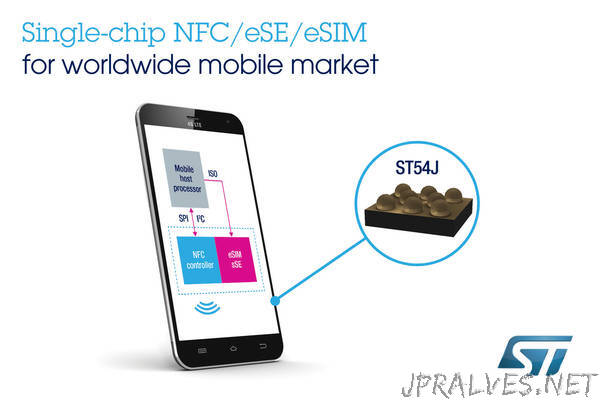
Embedded profiles in new devices mean a phone or tablet arrives with a pre-loaded, dormant eSIM profile. For travel, you no longer need to scan a QR code or download an app to activate local data; you simply purchase a plan via the device’s settings menu, which instantly activates the pre-installed travel eSIM. This eliminates the setup friction of finding a Wi-Fi hotspot to install a profile. Q: Can I switch between different embedded travel profiles on the same device? A: Yes, if multiple profiles are pre-loaded, you toggle between them in your settings, but only one data profile is active at a time.
Regulatory Shifts Affecting International Plans
Regulatory shifts are compelling international roaming plans to unbundle local compliance, a move that directly benefits travelers using eSIMs for vacation. One key change is the phasing-out of location-based surcharges, replaced by transparent usage allowances tied to network agreements. Consequently, a clear sequence emerges when evaluating an eSIM offer: first, confirm the plan’s permitted regulatory jurisdiction; second, check the maximum consecutive days allowed under fair-use policies; third, review per-MB rates beyond the allowance. These shifts ensure your plan’s validity is based on regulator-approved data pools, not arbitrary carrier zones.
- Verify the plan’s active jurisdiction matches your destination’s current telecommunications rules.
- Confirm the maximum continuous stay allowed before regulatory re-verification is required.
- Identify the published penalty rate for regulatory overage from your eSIM provider.
Rise of Cross-Border Service Bundles
Cross-border service bundles are reshaping travel by merging eSIM data with perks like ride-hailing credits or streaming subscriptions from your home provider. Instead of hunting for separate apps, a single bundle activates automatically upon landing, offering seamless connectivity alongside local discounts. This unified travel toolkit eliminates juggling multiple SIMs or vouchers, making your vacation truly plug-and-play. For example, a European bundle might include 10GB data plus free museum entry codes, all managed through your eSIM app. You save time and money, accessing services that feel native, not foreign.
| Crucial Aspect | Impact on Travelers |
|---|---|
| Combined utilities | Data + transit passes or food delivery credits in one purchase |
| Instant activation | Bundles activate upon crossing borders, no manual setup |
Why Switching to a Digital SIM Makes International Trips Easier
What a virtual SIM card actually is and how it replaces physical plastic
The core advantage: activating connectivity before you board your flight
How data-only travel SIMs differ from traditional pay-as-you-go roaming
How to Check If Your Phone Supports Travel eSIM Profiles
Finding the eSIM compatibility setting in your device menu
Which phone models typically work and common exceptions to know
What to do when your carrier locks your phone to a single network
Step-by-Step Guide to Installing a Prepaid Data Plan for Tourists
Scanning a QR code vs. downloading a carrier app to activate a plan
Recent Comments